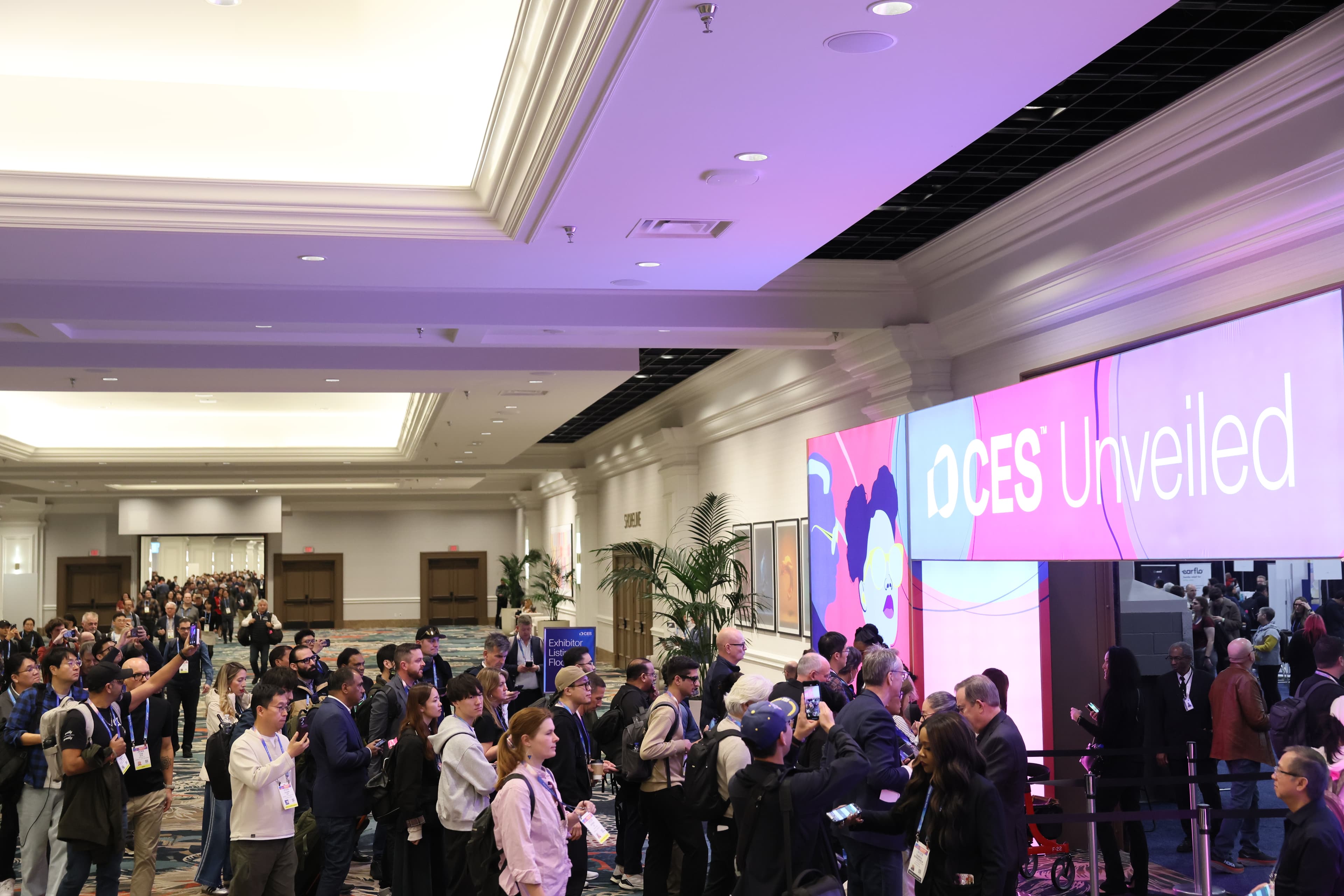
CES 2026 delivered a singular message: Physical AI—artificial intelligence that perceives, reasons, and acts in the real world—has arrived. NVIDIA CEO Jensen Huang declared it "the defining technology shift," setting the tone for a show dominated by humanoid robots, edge computing breakthroughs, and AI embedded into every category from vehicles to vacuum cleaners.
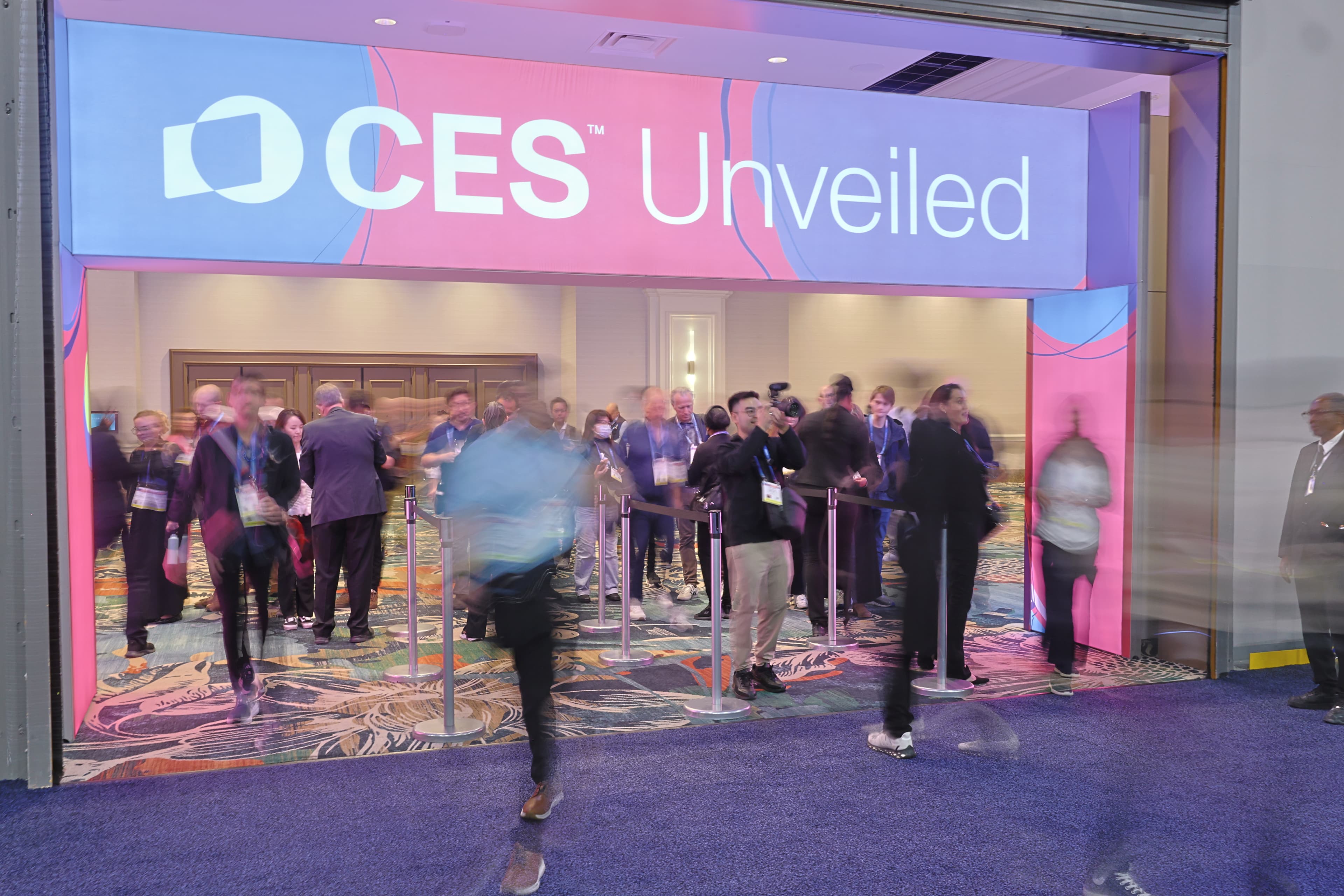
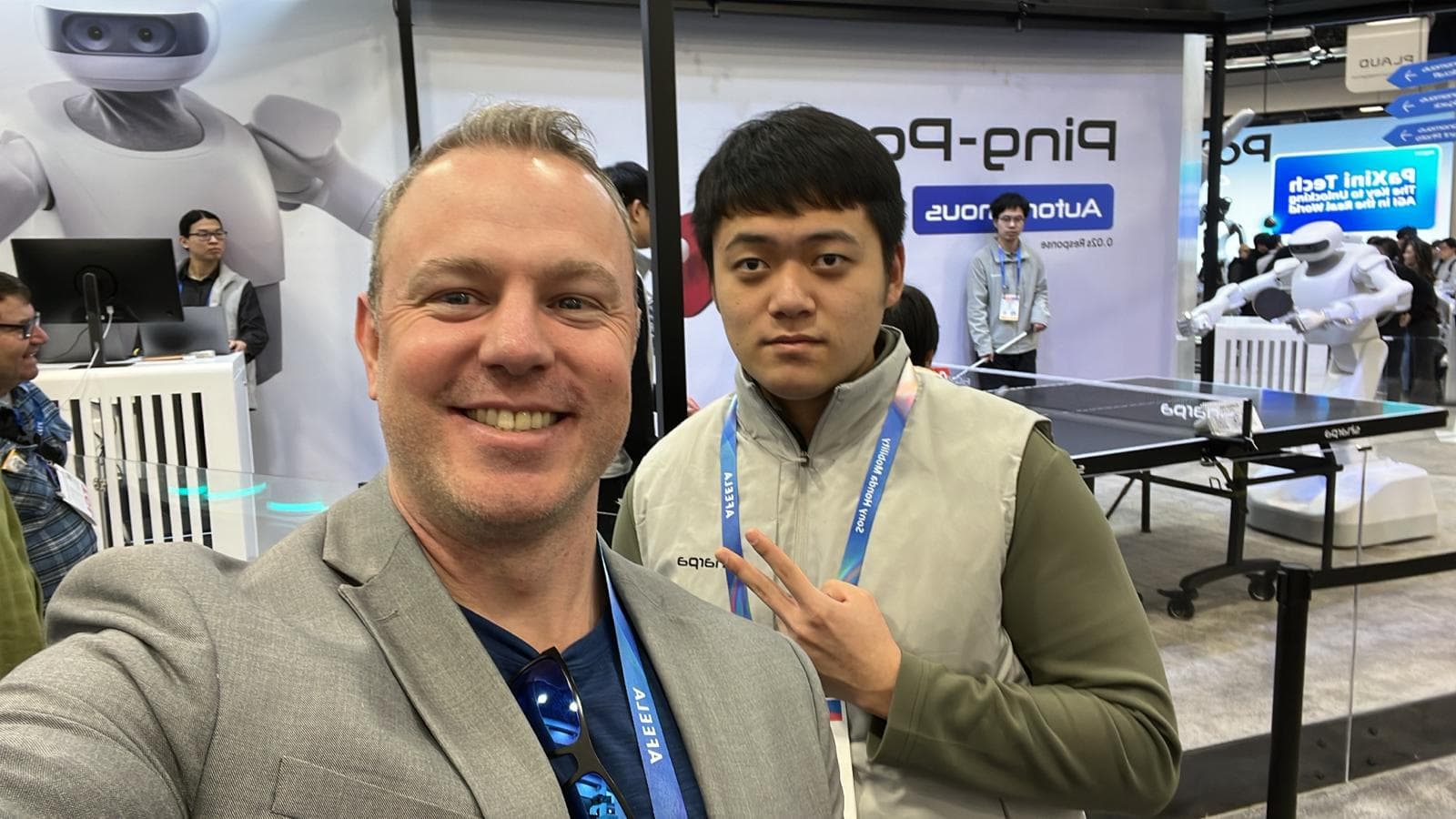
The AIC team was on the ground in Las Vegas January 6-9, exploring Eureka Park, attending keynotes, and connecting with innovators from around the world. Here's what we learned—and what it means for Vancouver's innovation ecosystem.
The ChatGPT Moment for Robotics
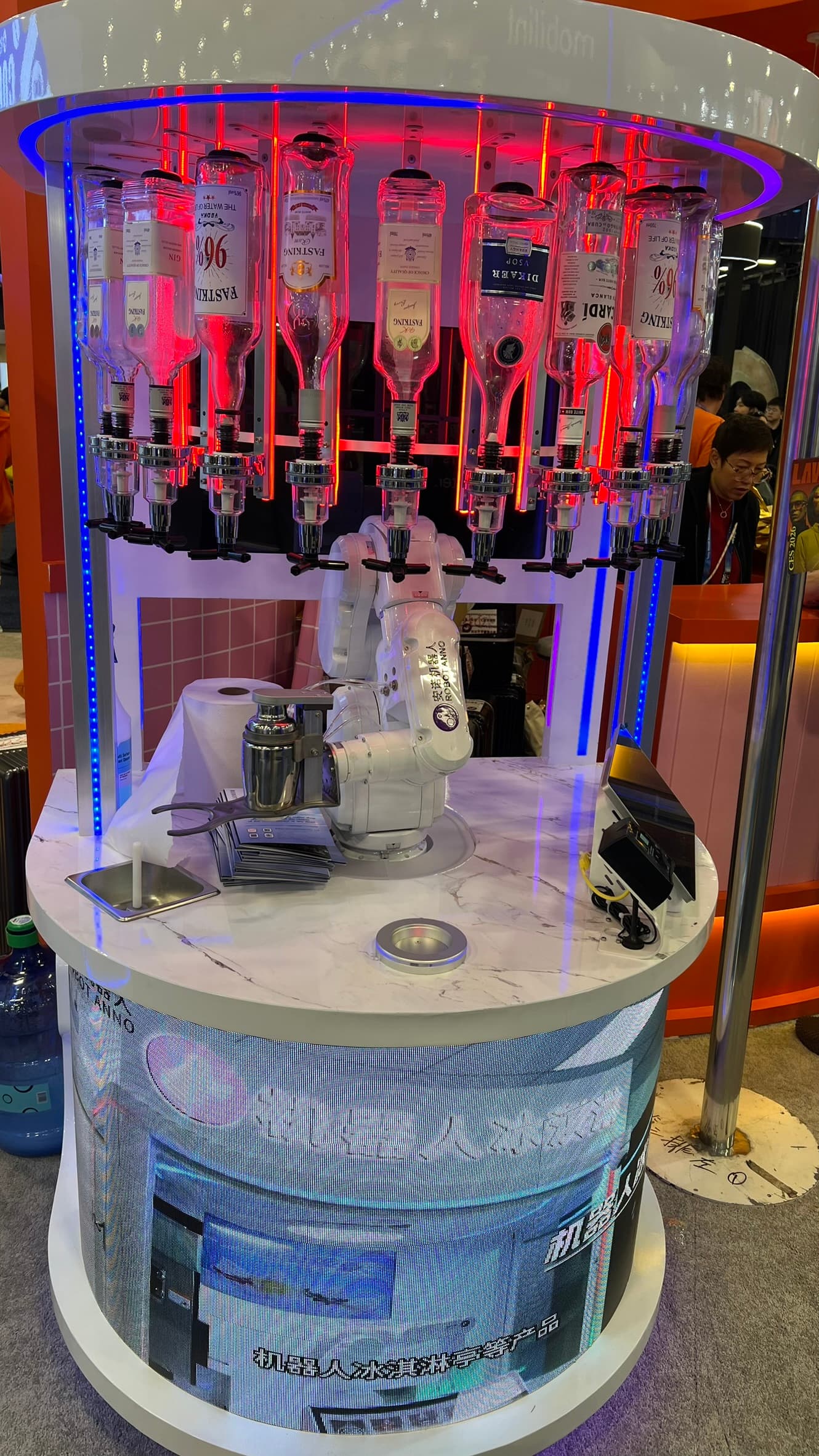
Remember when ChatGPT made AI suddenly feel real to everyone? CES 2026 was that moment for robotics. Over 40 companies mentioned humanoid robots in their listings—a dramatic increase from previous years. But the difference this year: these weren't concepts. They were production-ready.
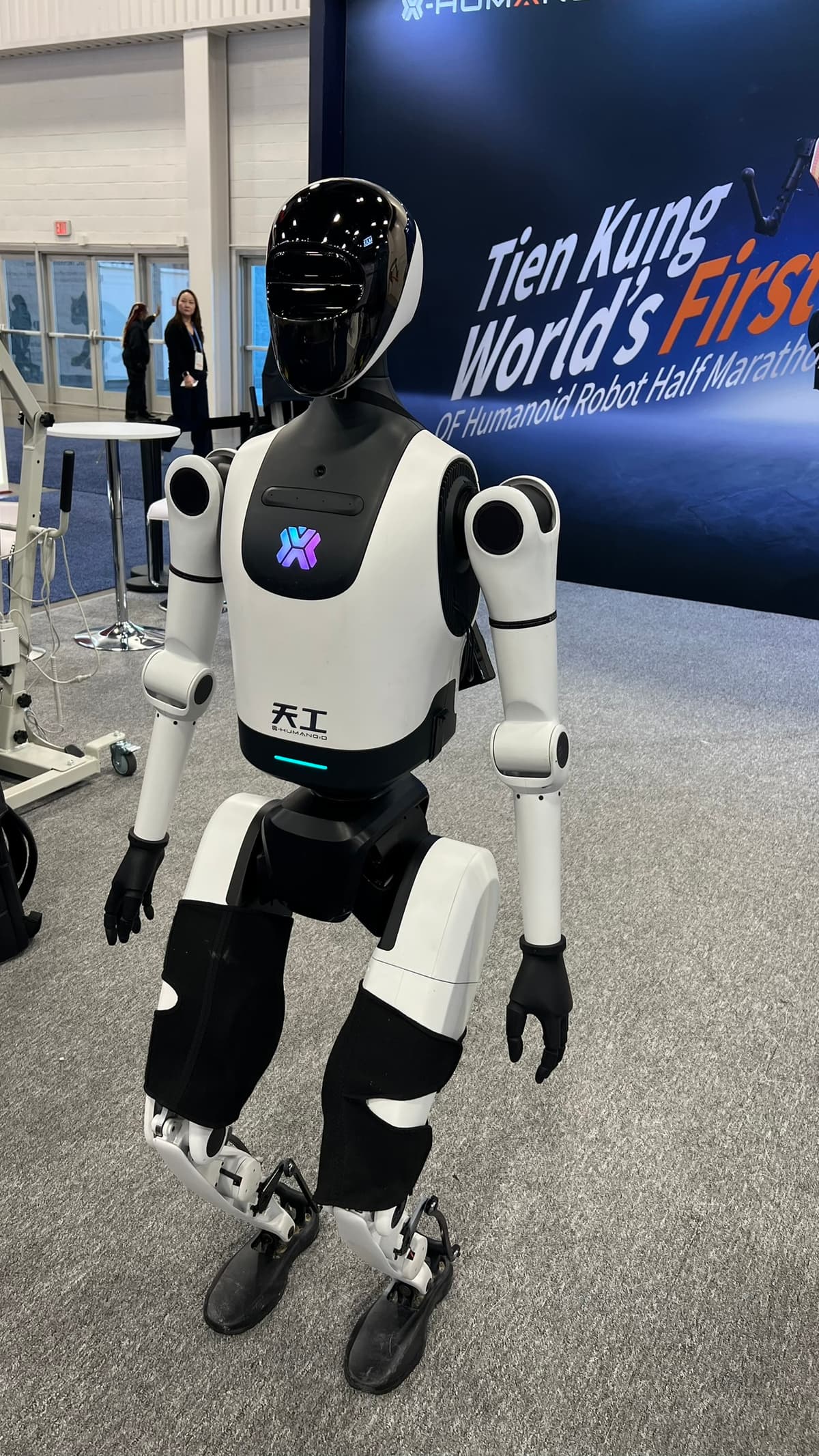
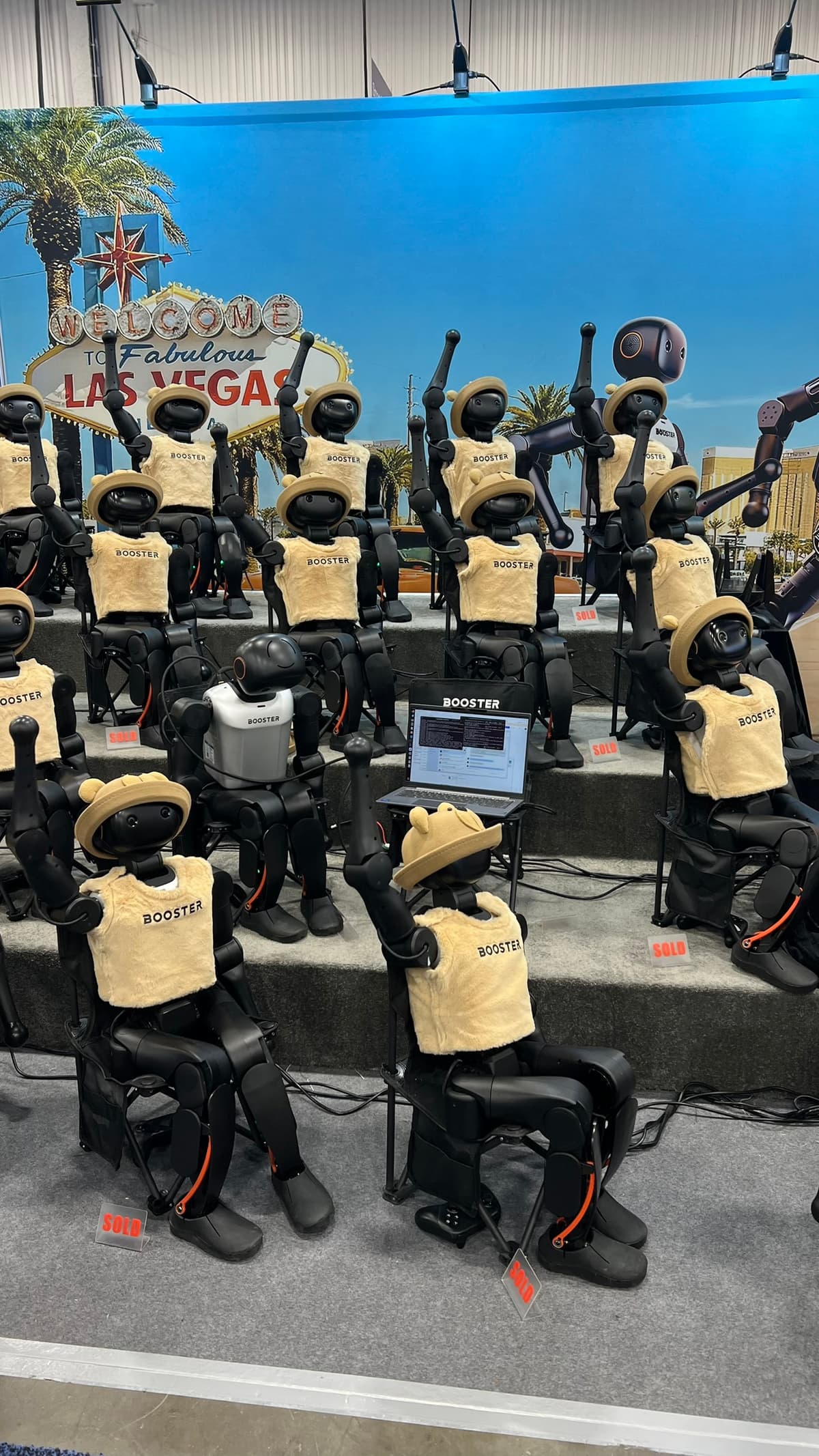
Boston Dynamics won CNET's Best Robot award with their Electric Atlas, demonstrating factory parts sequencing by identifying and placing heavy automotive components. LG's CLOi showed off folding laundry and retrieving drinks from refrigerators. SwitchBot's Onero H1 (shipping in 2026 for under $10,000) can load your washing machine.
The shift from experimental concepts to production-ready deployments signals that 2026 marks the transition year from AI hype to AI deployment at scale.
Robotics by the Numbers
Edge AI & The New Chip Wars
Every major PC chip announced at CES now includes 50-80 TOPS NPUs (Neural Processing Units). The industry is moving rapidly toward local AI processing—for privacy, latency, and cost benefits.
NVIDIA released Alpamayo R1, a 10-billion parameter reasoning model enabling vehicles to "think like humans" through complex driving scenarios. Mercedes-Benz CLA will be the first production car with this full autonomous vehicle stack.
The Health Tech Revolution
Smart rings emerged as the hottest wearable category. The Wilder Tech Bond Ring requires no charging—powered entirely by body heat—while tracking blood pressure, glucose trends, heart rate, sleep, and fertility. Aktiia launched the first FDA-cleared cuffless blood pressure monitor available over the counter.
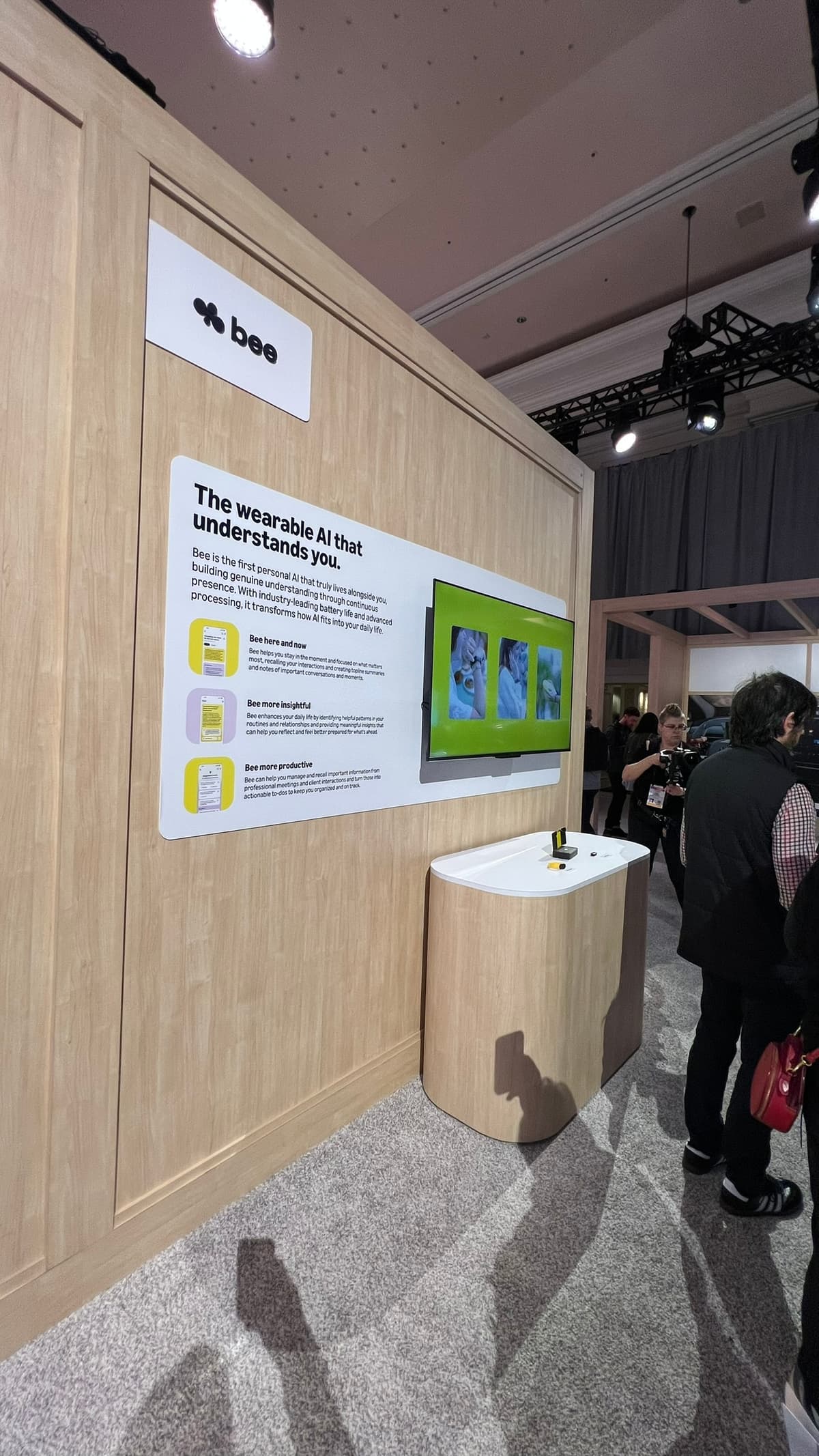
The shift from tracking metrics to providing actionable interventionrepresents the next major value creation opportunity in health tech.
Eureka Park: Where Startups Shine
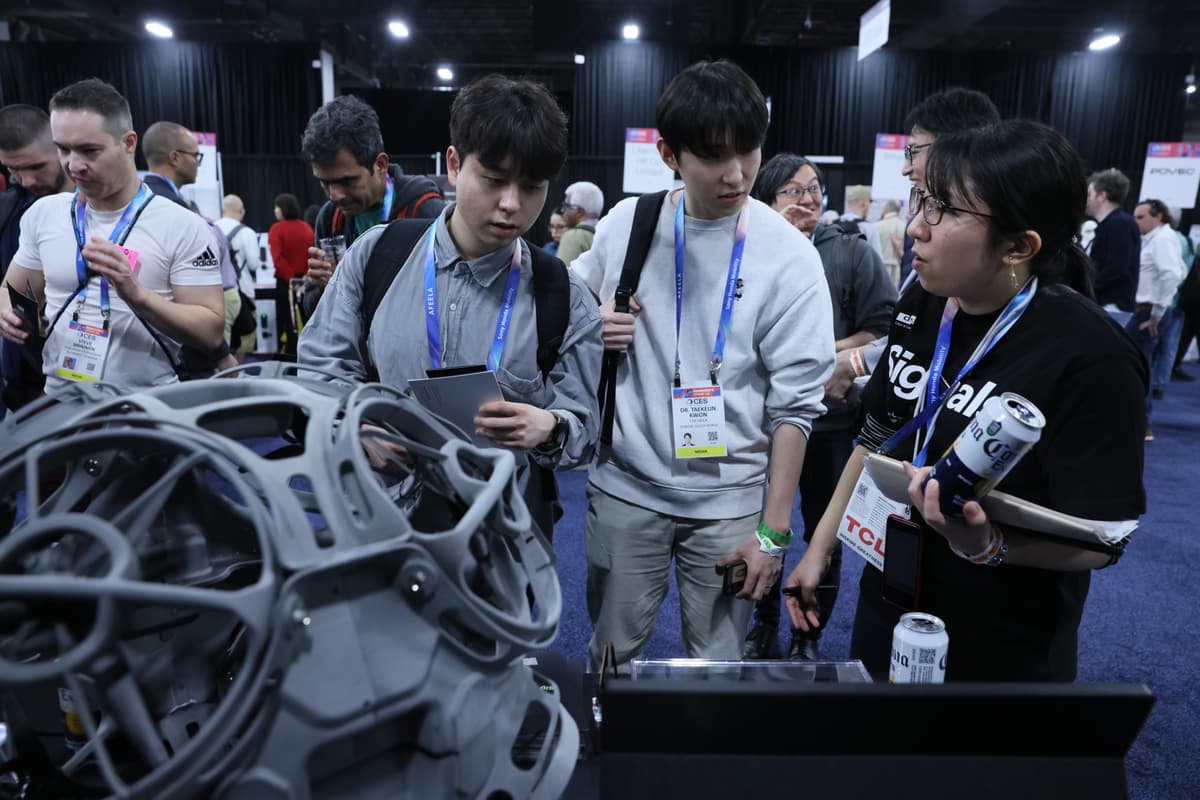
Eureka Park showcased approximately 1,200 startups from 40+ countries. South Korea dominated with 853 total companies (470 startups—a record high), winning 173 Innovation Awards. AI submissions increased 29%, while robotics and drones each grew 32%.
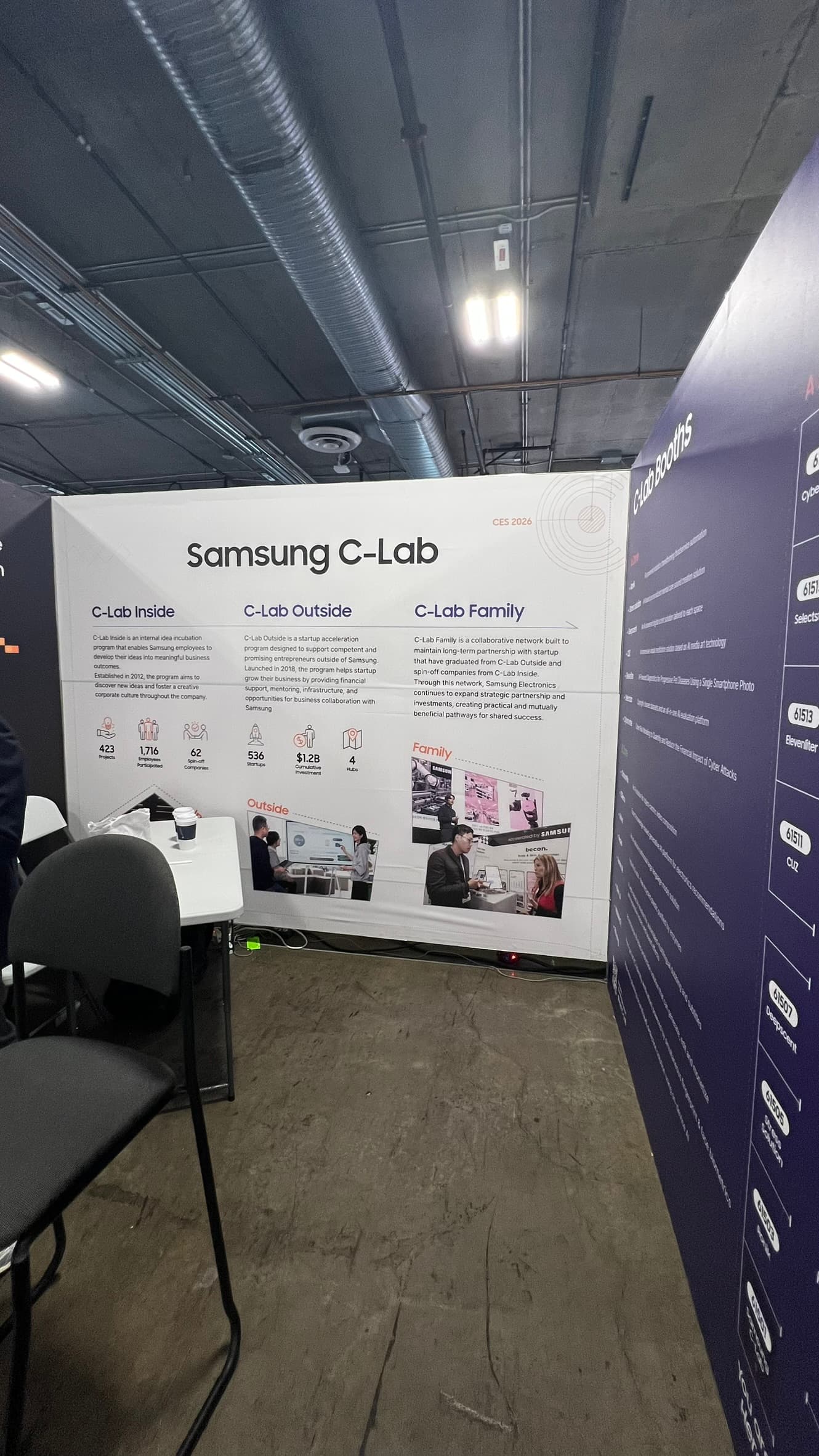
For AIC, walking Eureka Park was a reminder of why we do what we do. The energy, the ambition, the willingness to build something new—it's exactly what we're cultivating in Vancouver.
What This Means for Vancouver
CES 2026 reinforced our belief that the opportunities for Canadian innovation are massive—but the window is narrowing. The trends we saw create immediate opportunities in:
- Robotics integration — helping organizations deploy physical AI
- Edge AI partnerships — local processing for Canadian data sovereignty
- Health tech innovation — from tracking to intervention
- Startup collaboration — connecting Vancouver founders to global markets
At AIC, we're not just watching these trends—we're building for them. Alebex, our voice AI platform, is already demonstrating what applied AI looks like in production. And our incubation programs are designed to help the next generation of founders compete on the world stage.
Looking Ahead
2026 marks the transition year from AI hype to AI deployment at scale. The organizations that move now—that build capability, form partnerships, and ship products—will define the next decade.
Vancouver has everything it needs to be a global innovation hub: talent, capital, proximity to the US market, and a quality of life that attracts the best. What we need now is execution.
That's what AIC is here to do.
Join Us at Innovation Nights
Our first Innovation Night launches April 30, 2026. Be part of Vancouver's builder community—where ideas meet execution.